Creating the Perfect Tailored Produce Boxes: A Step-by-Step Approach
Building custom produce boxes calls for a strategic approach. Specialists must examine sustainability, functionality, and visual appeal. Selecting the right materials is vital for maintaining quality and supporting environmentally conscious methods. Furthermore, size and configuration can greatly influence usability and shipping effectiveness. Effective visual elements enhance company recognition, while detailed assessment guarantees longevity. Grasping these elements will uncover key understanding into producing exceptional container strategies that appeal with customers. What follows is fundamental to achieving those goals.
Choosing the Right Materials for Custom Produce Boxes
When considering materials for custom produce boxes, it is crucial to examine both functionality and eco-friendliness. The choice of material significantly determines the box's durability, weight, and ability to protect the contents. Common materials include corrugated cardboard, which delivers strength and is environmentally recyclable, making it a favored choice for eco-conscious businesses. Compostable options, such as molded pulp or plant-based plastics, also support sustainable practices while delivering appropriate protection for delicate produce.
Moreover, moisture resistance is indispensable for keeping quality consistent, driving some vendors to investigate treated materials or specialized coatings. The visual charm of the box cannot be dismissed, since branding and visual presentation can shape consumer perception. Ultimately, the appropriate material should equilibrate between maintaining product integrity, appealing to customers, and meeting ecological requirements, confirming that performance and sustainable practices are emphasized within the design process.
How to Opt for Size and Shape for Operational Use?
When selecting the size and shape of custom produce boxes, thorough evaluation of produce measurements is essential for proper storage. Additionally, attention to movement and transportation can impact the box design, guaranteeing ease of movement. Maximizing shelf space usage further enhances functionality, allowing for effective presentation and organization.
Evaluate Produce Dimensions Carefully
Assessing the right form and capacity for vegetable boxes is essential for workflow efficiency. Accurate assessment of produce dimensions is critical, as it guarantees that items fit firmly without excess space that could produce damage during logistics and storage. Bespoke boxes need to accommodate various shapes, from soft-skinned fruits to bulky vegetables, while maintaining structural integrity. Furthermore, the height and width of the boxes should enable stacking and organization, optimizing space in storage areas. A expertly built box not only protects the produce but also strengthens consumer attraction for consumers. To sum up, measured analysis of dimensions assists in reducing waste and improving overall user experience in the supply chain.
Consider the Oversight of Handling and Transport
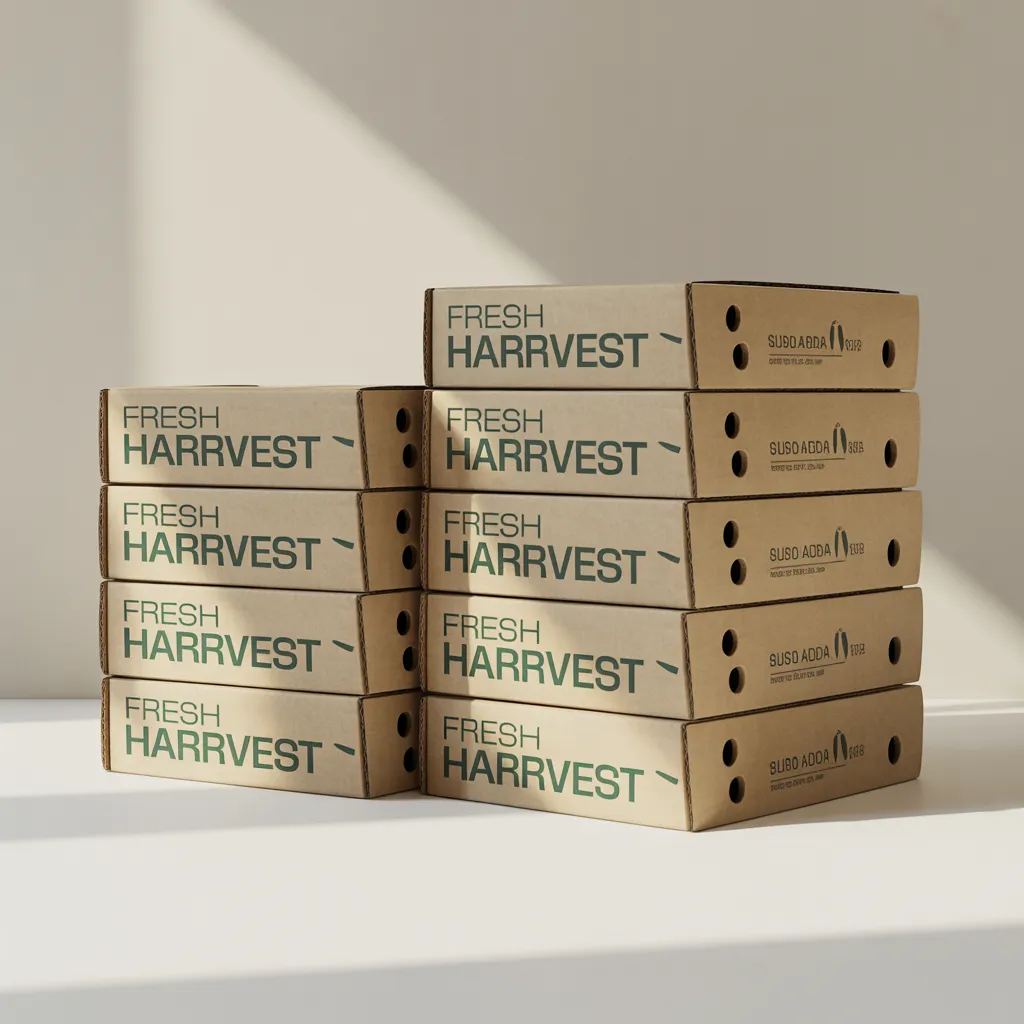
Shipping and handling factors play a significant role in determining the appropriate dimensions and shape of specialized produce boxes. The measurements must hold the produce without surplus room, which could lead to movement and damage throughout transit. Compact boxes assist with simpler management, while bigger containers may be needed for bulkier products. Additionally, proper design is essential; handles or openings should be deliberately placed to allow for pleasant raising and transporting. The structure of the container also affects stacking and stability, ensuring that items remain secure. In the end, thorough evaluation of these aspects enhances the efficiency of delivery, cuts down goods loss, and supports the general soundness of the produce from farm until end user.
Enhance Shelf Space Utilization
Smart shelf space usage is based on establishing the fitting form and dimensions of custom produce boxes. Developers should take into account the dimensions of the storage shelves as well as the types of vegetation being positioned. Standard-shaped boxes often strengthen space optimization, permitting for smoother stacking and alignment. By contrast, irregular designs can heighten visual appeal but may lead towards wasted space if not meticulously planned.
It's vital to assess the inventory turnover rate; products with slower velocity might benefit from smaller, conveniently comprehensive resource accessible containers. In addition, introducing flexible or customizable structures can enable varying product dimensions while refining display organization. By prioritizing visual appeal combined with practicality, retailers can establish a practical and aesthetically pleasing presentation that enhances both ease of access and promotional impact.
How to Produce Images That Draw Focus?
Compelling artwork can reshape a plain custom produce box into a beautiful showcase that attracts attention. To reach this, visual artists should commence by picking a color palette that reflects the vigor and brightness of the produce. Bright, captivating colors can evoke impressions of freshness and health, compelling consumers to take a further look.
Bold typography remains crucial; readable typefaces can effectively communicate vital details while amplifying visual appeal. Furthermore, using high-quality images of the products can create an immediate connection, showcasing the item's worth and enticing prospective purchasers.
Furthermore, introducing unique patterns or illustrations can help set apart the brand in a busy market. Consistency in design elements, such as logos and taglines, solidifies brand identity. Ultimately, a blend of inventiveness and precision in design work can greatly lift the power of custom produce boxes, making them stand out on shelves.
Eco-Friendly Practices for Custom Produce Box Wrapping
An growing number of organizations are introducing eco-friendly solutions for custom produce box packaging, recognizing its importance in today's environmentally conscious market. These practices often include the use of compostable materials, such as recycled paper and plant-based plastics, which lessen environmental impact. Companies are also directing attention on responsible procurement, ensuring that materials are obtained from responsibly managed forests or suppliers who champion environmental stewardship.
Also, many brands are choosing minimalist designs that reduce waste while still effectively showcasing their products. This method not only appeals to eco-minded consumers but also assists with decreasing production costs. Moreover, businesses are progressively establishing efficient manufacturing processes that restrict energy consumption and waste generation. By integrating these sustainable practices, companies not only improve their brand image but also contribute positively to the planet, aligning their operations with a sustainable future.
Verify Your Custom Produce Box Design
Reviewing the design of bespoke vegetable packaging is an significant phase in confirming they fulfill both aesthetic and performance-based requirements. This undertaking generally involves examining factors such as durability, size, and usability. First, working models need to be developed to evaluate the package's overall soundness, making sure it can withstand transportation and preservation without compromising the produce.
Next, usability tests can be conducted to determine how easily the boxes can be opened, sealed, and arranged. Feedback from potential users can be priceless in this phase, offering perspectives into the box's practicality.
Moreover, the visual attractiveness of the design should be assessed through focus group discussions or customer surveys, gauging consumer reactions to brand identity elements, colors, and overall presentation.
Ultimately, extensive testing allows designers to improve the box, ensuring it not only appeals to customers but also effectively protects and showcases the produce within, maintaining the right balance between form and function.
Advertising Your Custom Produce Boxes Effectively
Effective advertising of custom vegetable containers calls for a well-planned strategy that highlights their unique features and benefits. Businesses should focus on determining their intended customers, such as local farms, grocery stores, or individual consumers. Harnessing social networking sites can boost market visibility, showcasing the boxes' design and practicality through engaging visuals and storytelling.
Additionally, teaming up with neighborhood advocates and farming professionals can strengthen standing and enlarge customer base. Featuring incentives or cost savings during seasonal peaks can capture initial customers and support sustained patronage.
Additionally, emphasizing sustainability and eco-friendliness in marketing materials can appeal to eco-aware buyers. Offering detailed information about the materials used and the benefits of custom packaging can further differentiate the product in a competitive market.
Ultimately, a thorough advertising plan that blends digital and local activities will effectively promote custom produce boxes, attracting a heterogeneous clientele and driving sales.
Frequently Requested Questions
What Costs are Involved in Custom Produce Box Customization?
Fees connected to custom produce box design include materials, print services, labor, and shipping. In addition, design services and minimum order quantities can impact total expenses, leading to variable pricing based on individual requirements and manufacturing size.
How much time Does It Take to Create Custom Boxes?
Creating bespoke boxes usually spans two to six weeks in production. Multiple elements that influence this duration include design intricacy, material availability, and manufacturing capability, each of which can alter shipping schedules and lead times.
Can I Purchase a Small Quantity of Personalized Produce Boxes?
Yes, small amounts of custom produce boxes can usually be requested. Many suppliers offer base purchase minimums, permitting enterprises or consumers to obtain tailored packaging options without needing to pledge to substantial amounts initially.
What Common Mistakes Should You Avoid When Designing Bespoke Packaging?
Common pitfalls in custom box design feature neglecting functionality, ignoring brand consistency, downplaying material quality, overlooking target audience preferences, and overlooking environmental impact. Each aspect is critical for quality packaging and customer satisfaction.
How Do I Verify That My Boxes Are Safe for Food?
To verify boxes are suitable for food, one needs to select substances certified for food contact, avoid toxic inks and adhesives, maintain cleanliness during production, and periodically assess for compliance with health regulations and safety standards.